Your Cart


Product title goes here
$19.95
Thank you! Your submission has been received!
Oops! Something went wrong while submitting the form.
Registering 2 or more people for a First Aid course?
Get Group Discount CodesNo items found.
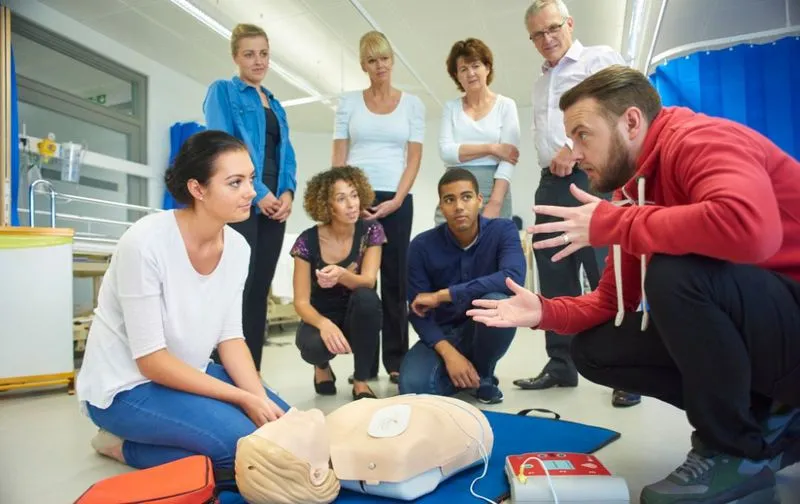
Explore the different levels of First Aid certification in Canada, from Emergency First Aid (EFA) to Emergency Medical Responder (EMR). This guide covers what each level entails, who should consider each certification, and how to choose the right one based on your needs and profession. Whether you need basic life-saving skills or advanced emergency care training, this article helps you understand your options and stay prepared for various emergencies.
Types of First Aid Certifications in Canada: From EFA to EMR
Understanding the different levels of first aid certification is essential for anyone looking to provide emergency care. From basic to advanced, each level prepares you for various emergencies.
First aid is the cornerstone of emergency care, providing critical help in life-threatening situations until professional medical assistance arrives. But did you know there are different first aid levels? Each level serves a distinct purpose, preparing individuals for various types of emergencies.
Explore the different levels of first aid training, from basic certifications like Emergency First Aid (EFA) to advanced certifications like Emergency Medical Responder (EMR).
Whether you’re looking to understand the first aid certification levels in Ontario or just want to know the highest level of first aid training available, this guide has you covered.
First aid refers to the initial care given to someone who is injured or suddenly ill before professional medical help arrives. It can include a range of actions such as controlling bleeding, performing CPR, and stabilizing injuries.
The purpose of first aid is to provide immediate assistance to reduce the severity of an injury or illness and prevent the situation from worsening.
There are several types of first aid certification, each preparing individuals for different levels of emergencies. Let’s break down the first aid levels you can obtain:
Emergency First Aid (EFA) is the most basic level of training. This certification covers the essentials, such as CPR, recognizing the signs of a heart attack, and treating minor injuries like cuts and burns.
EFA is suitable for people who need basic first aid skills for work or personal knowledge. This is the entry point for many seeking first aid certification in Ontario.
Standard First Aid (SFA) takes things up a notch, offering a more comprehensive range of first aid skills. It covers everything in EFA plus additional training on dealing with shock, choking, severe bleeding, and fractures.
This certification is ideal for individuals who may be responsible for others' safety, such as teachers, caregivers, or those working in industrial settings.
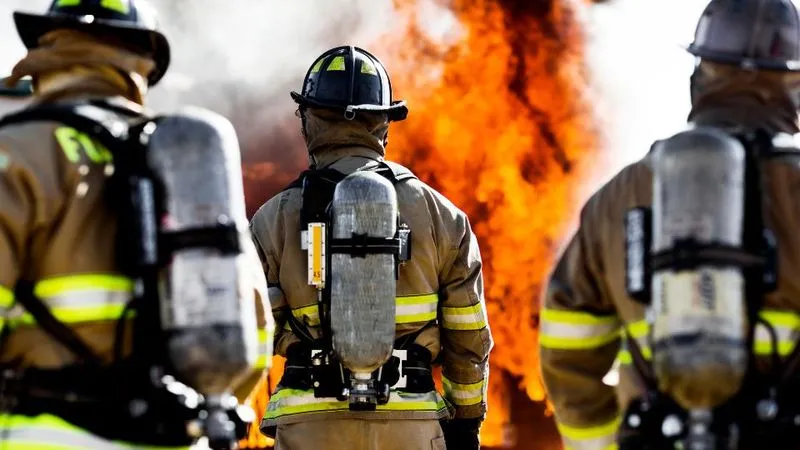
The First Responder (FR) certification is designed for those who may be the first on the scene in an emergency, such as firefighters, police officers, or security personnel.
This course goes deeper into emergency medical protocols, covering advanced first aid, oxygen therapy, spinal immobilization, and more. FR-certified individuals can manage more complex emergencies before paramedics arrive.
Emergency Medical Responder (EMR) is the highest level of first aid training available before entering professional medical fields. EMRs are often trained to assist paramedics and handle more critical emergencies, including trauma and advanced airway management.
This certification is common for those pursuing careers in healthcare or emergency services.
In Ontario, the levels of first aid training align with national guidelines. Individuals seeking first aid certification levels in Ontario can choose from EFA, SFA, FR, and EMR, depending on their needs and professional requirements.
Many workplaces mandate certain levels of certification, and staying informed on what level is required is important for maintaining compliance.
The levels of first aid training in Canada include:
Emergency First Aid (EFA) is the basic level of first aid training, covering essential life-saving skills like CPR, recognizing heart attack symptoms, and treating minor injuries. It is ideal for those needing basic first aid for work or personal safety.
Standard First Aid (SFA) covers everything in Emergency First Aid (EFA) but also includes training on managing shock, severe bleeding, choking, and fractures. It's suited for individuals responsible for others' safety, such as teachers and caregivers.
First Responder (FR) certification is ideal for those who may be first on the scene during emergencies, such as firefighters, police officers, or security personnel. The training covers advanced first aid, oxygen therapy, and spinal immobilization.
The highest level of first aid certification in Canada is Emergency Medical Responder (EMR). It prepares individuals for critical emergencies and equips them to assist paramedics with trauma care and advanced airway management.
From basic Emergency First Aid to the advanced Emergency Medical Responder, there are several levels of first aid training available.
Each level equips you with the skills necessary to handle different types of emergencies. Whether you need basic life-saving skills or advanced medical training, understanding the different levels of first aid can help you choose the certification that fits your needs.
Stay prepared, stay certified, and know that you have the tools to make a difference when it matters most.

Discover the different levels of first aid training in Canada. Find the certification that fits your needs and enhances your emergency response skills.

Guaranteed Better than the “big box” providers:





![Here's what you need to know as a PSW about the upcoming HSCPOA Act [updated June 2024]](https://cdn.prod.website-files.com/69718d186e85d4af679baa0b/69718d186e85d4af679bb0cd_C-PERS~1.avif)