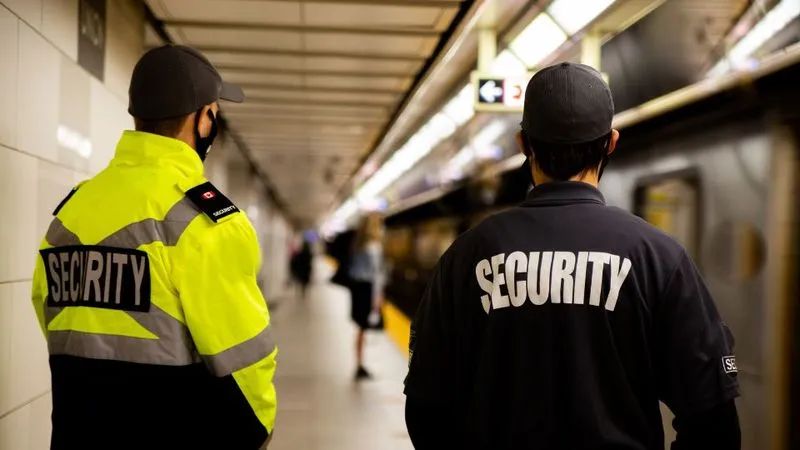
Discover the CPR and First Aid training requirements for Security Guards in Toronto, Brampton, and Mississauga. All guards must have Emergency First Aid and CPR A certification, with many employers preferring Standard First Aid and CPR Level C for better emergency response.
Discover the differences between Emergency and Standard First Aid certifications. Learn about their features, training duration, and which is best for your needs, whether for basic safety, home, or professional settings.
Learn when First Aid and CPR certifications expire in Canada and how to stay up-to-date. This article covers the duration of certifications, recertification options, and tips for keeping your skills current, ensuring you're always prepared for emergencies.
Aspiring to be a firefighter in Ontario? This guide outlines essential qualifications, including First Aid and CPR certifications, and details the training process. Learn about the recruitment steps, physical fitness requirements, and tips for standing out as a candidate to successfully launch your firefighting career.
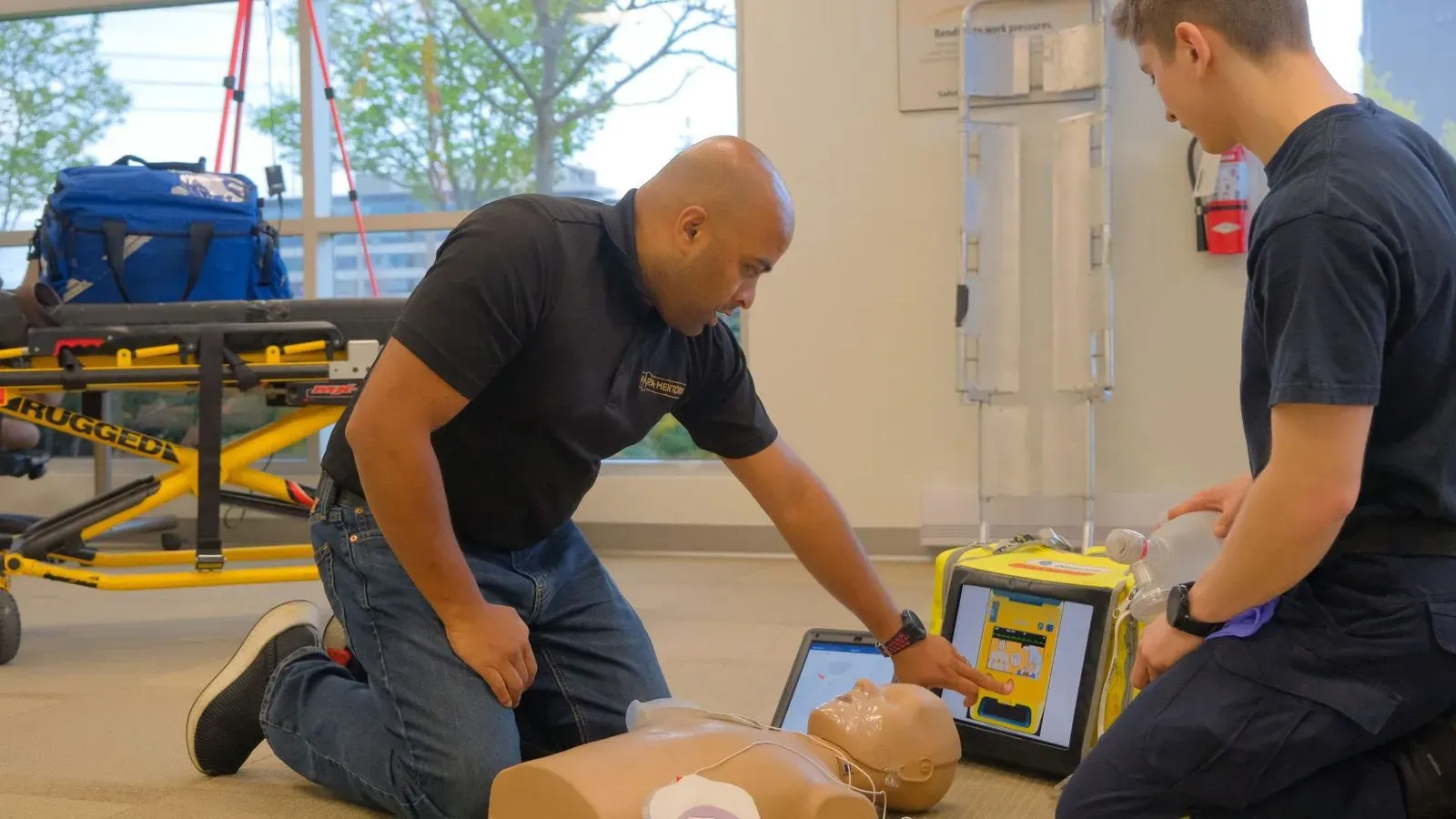
Explore the different levels of First Aid certification in Canada, from Emergency First Aid (EFA) to Emergency Medical Responder (EMR). This guide covers what each level entails, who should consider each certification, and how to choose the right one based on your needs and profession. Whether you need basic life-saving skills or advanced emergency care training, this article helps you understand your options and stay prepared for various emergencies.
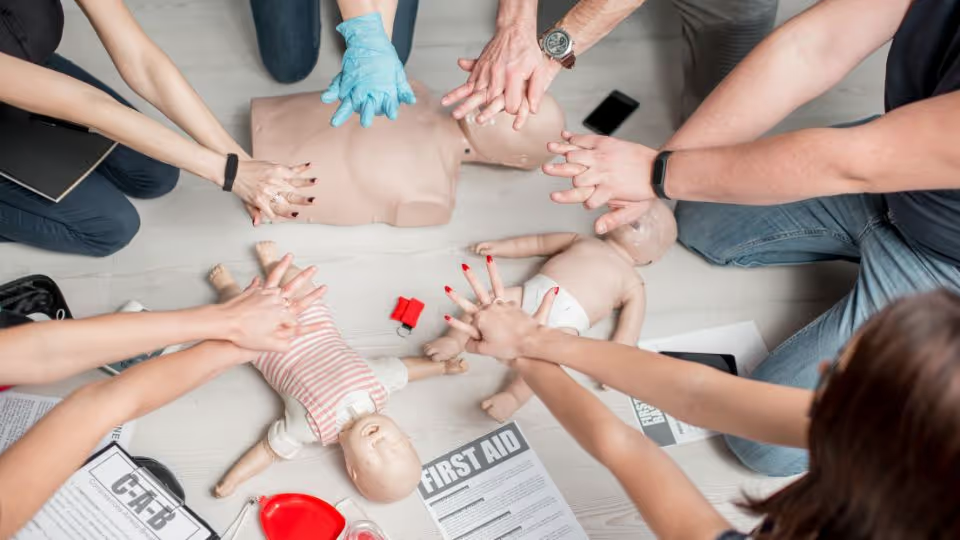
If you're choosing between CPR A vs CPR C, we recommend CPR C because it covers all age ranges. The scope of CPR A is limited to adults, while CPR trains you to handle high-risk emergencies involving adults, children, and infants, (and 2 person CPR) making it the superior choice. With CPR C, you're prepared for at-home emergencies, workplace emergencies, and are able to better help your community in times of need.