Your Cart


Product title goes here
$19.95
Thank you! Your submission has been received!
Oops! Something went wrong while submitting the form.
Registering 2 or more people for a First Aid course?
Get Group Discount CodesNo items found.
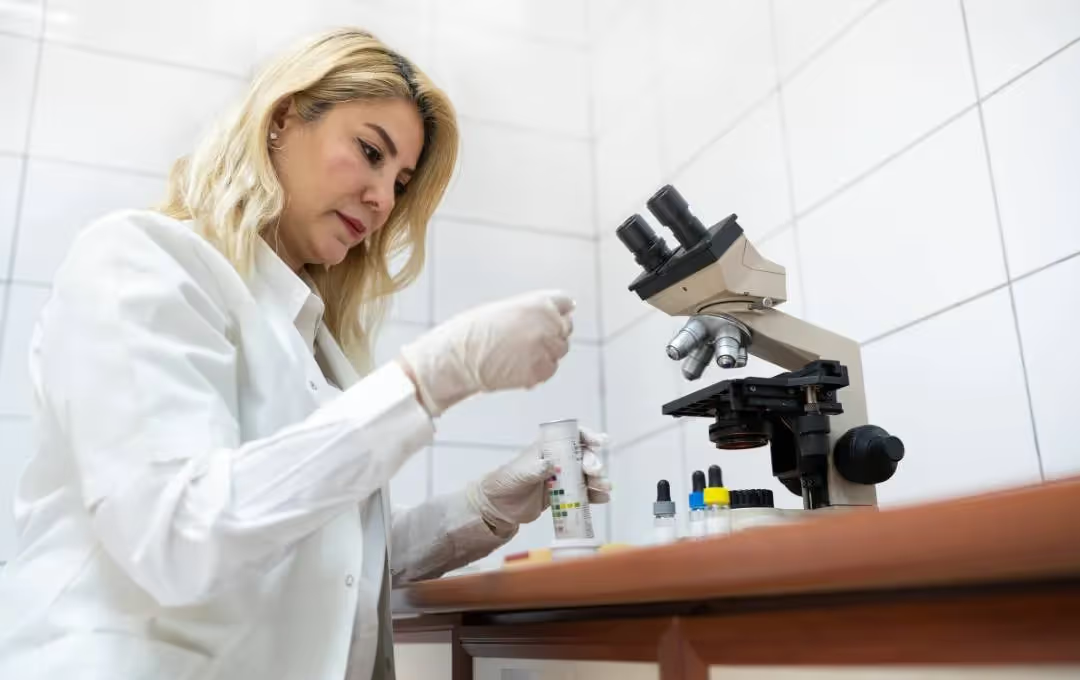
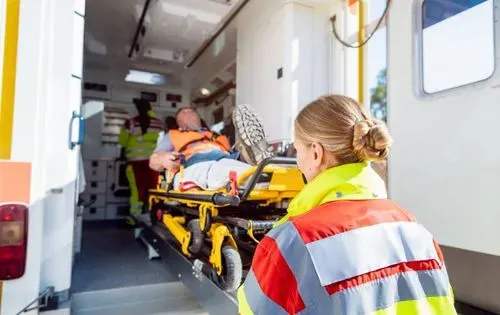
Medical Laboratory Professionals play a vital role in healthcare, providing diagnostic data, informing decisions, and responding to emergencies. Their expertise in first aid and CPR is crucial for addressing accidents and emergencies in the lab, saving lives. They also manage various health crises, ensuring the safety and well-being of patients and colleagues.
In the fast-paced world of healthcare, Medical Laboratory Professionals, including Medical Technologists and Medical Laboratory Assistants, play a crucial role. They are the backbone of diagnostic services, providing data that informs 70% of healthcare decisions. However, their work environment in Brampton and Mississauga hospitals and clinics is not without risks. Accidents and emergencies can occur, requiring immediate response. This is where effective first aid and CPR (cardiopulmonary resuscitation) training comes into play.
Medical Technologists often work with infectious samples and hazardous chemicals. Understanding basic first aid procedures can be the difference between a minor incident and a major health crisis. Furthermore, knowing how to perform CPR could save a colleague's life during a cardiac emergency.
Chemical spills are common in laboratories. Medical Laboratory Assistants trained in first aid can quickly initiate appropriate measures, such as flushing the affected area with water and applying suitable dressings, to minimize damage.
Choking can occur anywhere, even in a lab. Being trained in the Heimlich maneuver allows Medical Laboratory Professionals to respond swiftly and effectively when faced with such a situation.
Burns from hot equipment or chemicals are potential hazards in labs. First aid training equips Medical Technologists with the knowledge to treat burns correctly, preventing infection and promoting healing.
Long hours and high-stress situations can sometimes cause people to faint. A Medical Laboratory Assistant trained in first aid knows the steps to take, such as positioning the person on their back and elevating their feet, to ensure blood flow to the brain.
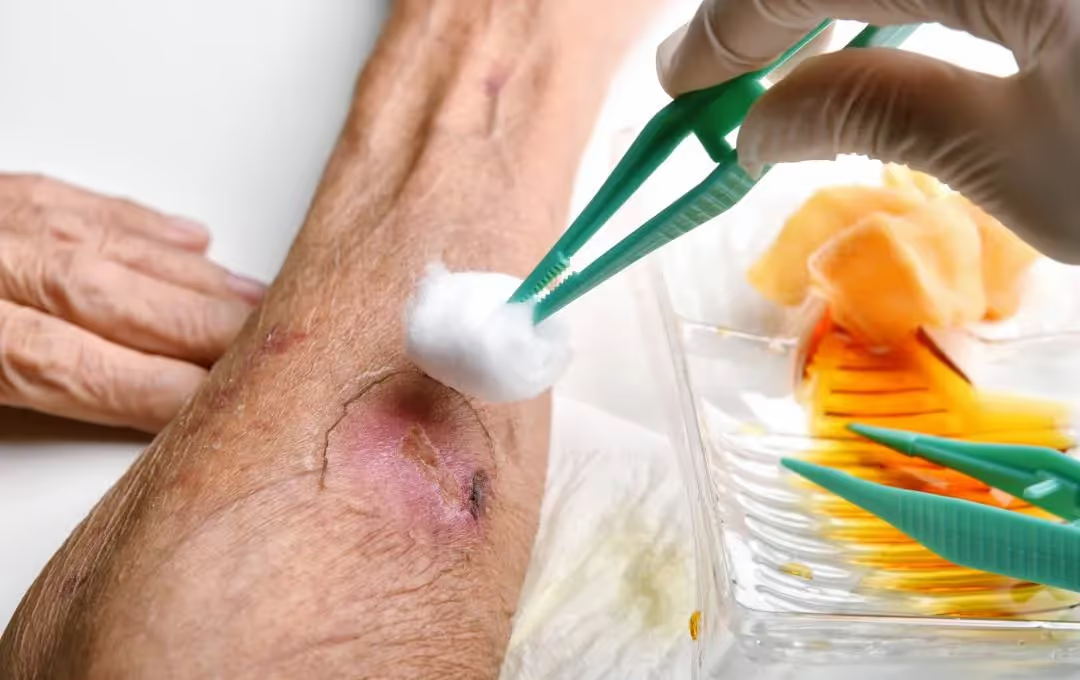
Handling sharp instruments can sometimes lead to cuts. Medical Laboratory Professionals with first aid training can effectively clean and dress wounds, reducing the risk of infection.
Cardiac emergencies require immediate CPR. Medical Technologists trained in CPR can provide life-saving chest compressions and rescue breaths until professional medical help arrives.
Sprains and strains can result from slips or falls. A Medical Laboratory Assistant with first aid knowledge can accurately assess the injury and apply cold packs or compression to reduce swelling.
Allergic reactions to certain chemicals or latex gloves can occur. Medical Laboratory Professionals can use their first aid training to administer epinephrine, if available, and seek immediate medical attention.
Chemical splashes or flying debris can cause eye injuries. Quick response by a first aid trained Medical Technologist can help minimize damage and preserve vision.
High-stress environments can sometimes trigger mental health crises. Trained Medical Laboratory Assistants can recognize signs of distress and provide initial support until professional mental health assistance is available.
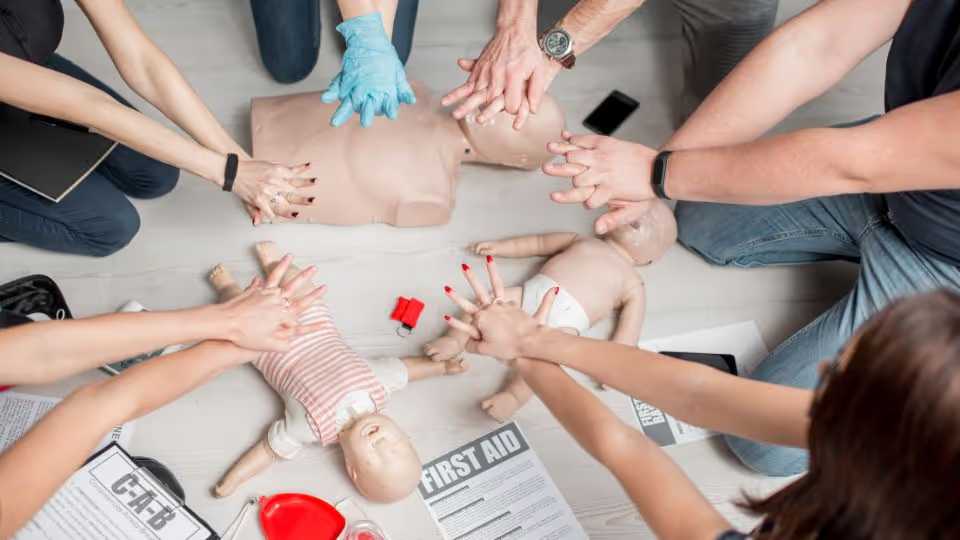
Whether it's Blended Intermediate First Aid & CPR, Blended Basic First Aid & CPR + AED, or the Blended CPR BLS Course (HCP/BCLS), Para CPR & First Aid offers a range of courses designed to equip you with the skills you need. Our blended courses are half-online, half-in-person, providing flexibility without compromising on hands-on experience.
The benefits of our training are manifold. Not only do you learn crucial life-saving skills, but you also get the opportunity to learn from real paramedics with field experience. This offers a unique insight into emergency response that goes beyond textbook knowledge.
For Medical Laboratory Professionals looking to train as a team, we offer group discounts. This not only makes the training more cost-effective, with savings of up to 40%, but also enhances team-building and ensures that everyone in your lab is prepared for emergencies.
Equip yourself with the knowledge to save lives. Sign up for Para CPR & First Aid's blended first aid and CPR training today. Because in a medical emergency, every second counts.
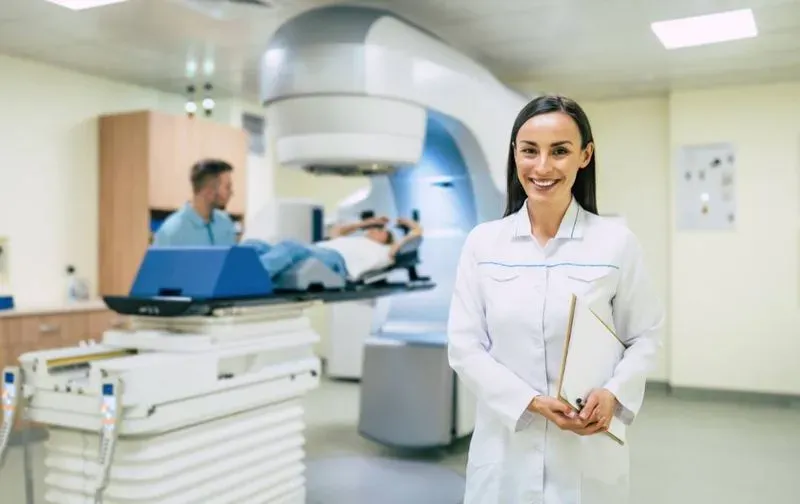
Enhance your skills and be prepared for emergencies with Para's blended first aid & CPR program. Gain essential life-saving techniques and make a difference in healthcare. Sign up now!

Guaranteed Better than the “big box” providers:





![Here's what you need to know as a PSW about the upcoming HSCPOA Act [updated June 2024]](https://cdn.prod.website-files.com/69718d186e85d4af679baa0b/69718d186e85d4af679bb0cd_C-PERS~1.avif)