Your Cart


Product title goes here
$19.95
Thank you! Your submission has been received!
Oops! Something went wrong while submitting the form.
Registering 2 or more people for a First Aid course?
Get Group Discount CodesNo items found.
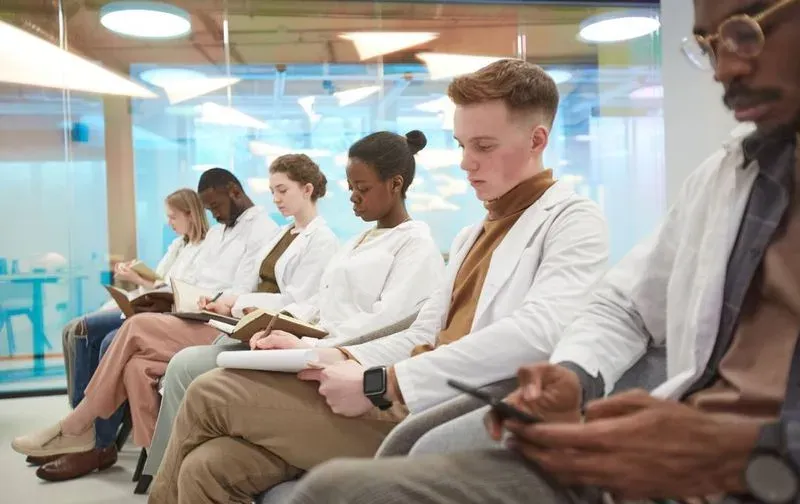
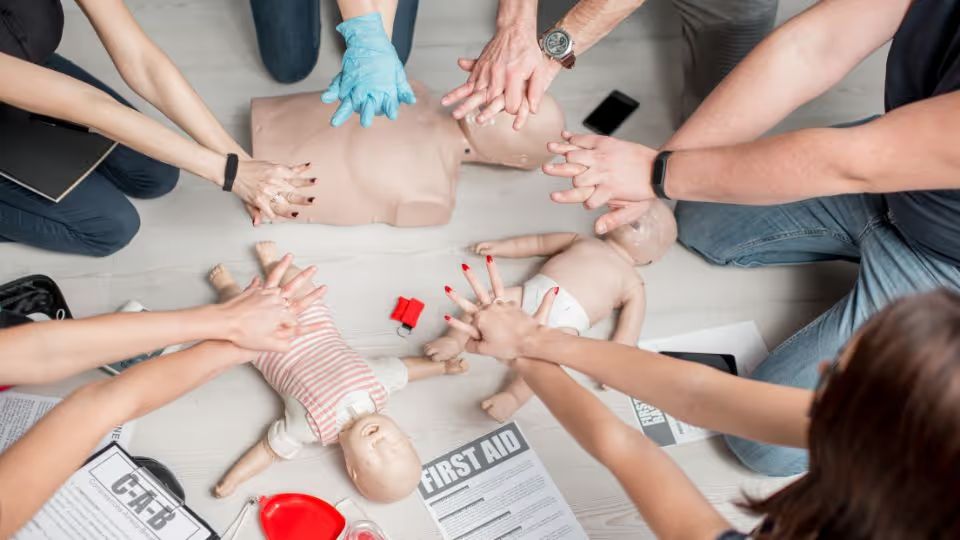
Gaining practical skills is crucial for aspiring health science professionals. CPR, AED use, and first aid are essential skills that can save lives in real-world scenarios. Being trained in these areas empowers students to provide immediate care and maintain blood flow until further medical help arrives. In emergencies, trained individuals can make a significant difference and help create a safer environment.
As an aspiring health science professional, your journey is more than just absorbing textbook knowledge. It's about gaining practical skills that can save lives in real-world scenarios. Among these critical skills are Cardiopulmonary Resuscitation (CPR), Automated External Defibrillator (AED) use, and First Aid – each a potential lifesaver in its own right.
CPR is a lifesaving procedure used when someone's heart stops beating, or they stop breathing. As a health science student trained in CPR, you'll learn how to maintain blood flow to the brain, heart, and lungs, buying crucial time until further medical help arrives.
An Automated External Defibrillator (AED) is a device that shocks a person's heart back into a normal rhythm during cardiac arrest. AED training equips you with the knowledge to operate these devices effectively, potentially saving a life even before paramedics arrive.
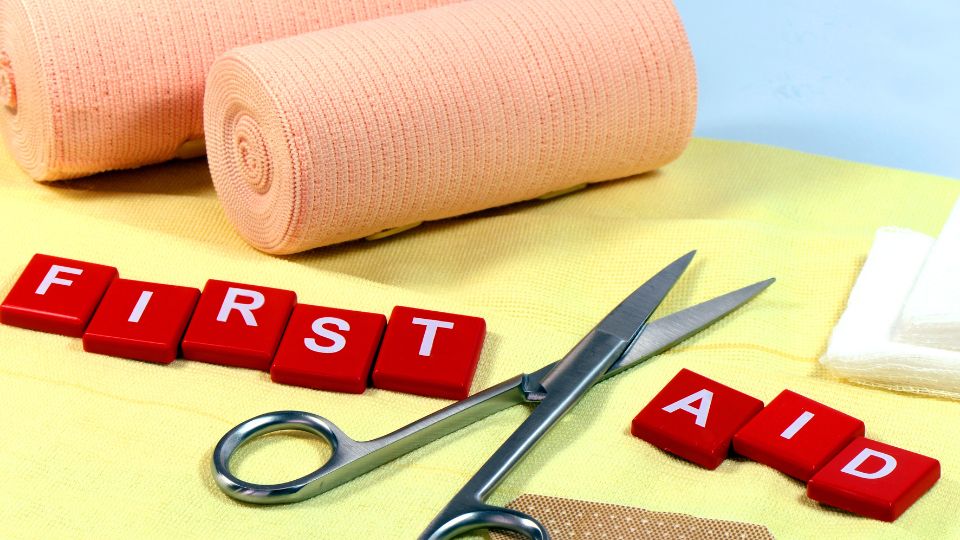
First aid is immediate care provided to reduce the severity of an injury or illness until professional help is available. As a health-science student, first aid training empowers you to handle various medical emergencies, from minor cuts and burns to severe allergic reactions and fractures.

Imagine being at a local sports event when, suddenly, a spectator collapses. While others panic, you, as a health science student trained in CPR, AED, and first aid, rush to help. You perform CPR, use an AED to restore the heart's rhythm, and provide first aid until paramedics arrive. Your actions saved a life that day, underlining the immense value of your training.
Without proper training in CPR, AED use, and first aid, individuals may feel helpless in emergencies, possibly causing more harm due to incorrect procedures or delayed treatment. This lack of training could affect health science students' confidence and competence in future healthcare careers.
A workforce certified in CPR, AED use, and first aid is a significant asset. It ensures a safer environment, promotes a culture of health and safety, and boosts employee morale as they gain confidence in handling emergencies.
As a future health-science professional in Mississauga and Brampton, Ontario, your training in CPR, AED use, and first aid isn't just another academic requirement. It's a commitment to being prepared, competent, and capable of making a difference when it matters most.
So, embrace this essential part of your education. Seek quality training and certification in CPR, AED use, and first aid. Equip yourself with the skills that can save lives. After all, in health sciences, your ultimate goal is to protect and preserve life, one heartbeat at a time.
Are you ready to take the next step in your journey as a future health-science professional? Don't wait for the emergency to happen before you realize the value of these lifesaving skills. Equip yourself with the confidence and competence from quality CPR, AED, and First Aid training. Join us at Para CPR & First Aid today, and become the healthcare hero you're destined to be.
Our paramedic-led courses are tailored to your needs, ensuring you walk away with a certification and the real-world skills to make a difference when it counts.
Sign up for our courses now and start making a lifesaving difference today.

Pre-health students, here's an opportunity for you! Acquire practical skills that have a real impact in real-world situations. Enroll in Para's blended first aid & CPR program to confidently handle emergencies and become a certified lifesaver.

Guaranteed Better than the “big box” providers:



![Here's what you need to know as a PSW about the upcoming HSCPOA Act [updated June 2024]](https://cdn.prod.website-files.com/69718d186e85d4af679baa0b/69718d186e85d4af679bb0cd_C-PERS~1.avif)